Westwood Is More Than "The UCLA Neighborhood"
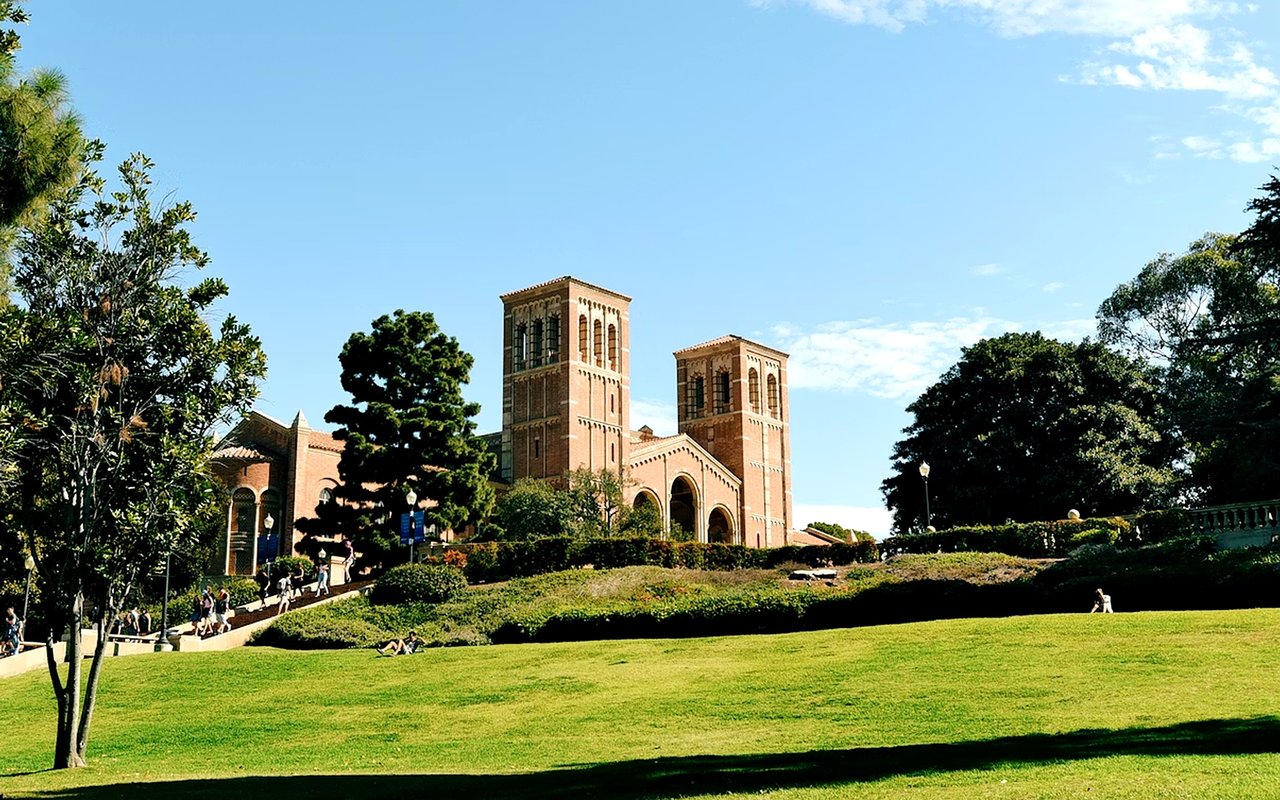
Westwood is often described in simple terms as the neighborhood adjacent to UCLA, but that label only scratches the surface. It's a community where long-term homeowners, students, professionals, and business owners share the same streets in very different ways, anchored by a Historic-Cultural Monument movie palace, two UCLA-affiliated museums, and a mix of housing types rarely found together in one compact area.
Understanding these details is helpful for anyone who currently lives here or is considering a future move — here are nine things about Westwood that go beyond the obvious.
Nine Things Most People Miss About Westwood
1. More Than "The UCLA Neighborhood"
Most people are familiar with the surface-level facts about Westwood. UCLA anchors the area, Westwood Village offers dining and entertainment, and major freeways sit close by. What is less obvious is how these pieces shape the neighborhood's character. The university creates steady activity and consistent rental demand, while long-established residential streets offer a quieter environment with many longtime homeowners. Together, these influences create a community that feels active but also deeply rooted.
2. The Village Has Layers of Its Own
Westwood Village is renowned for its historic movie theaters and its rich history as a premier gathering place for premieres and screenings. The Village's landmark cinema — built in 1931 and designated Los Angeles Historic-Cultural Monument #362 — reopened in 2026 under the name Directors Village after operating under American Cinematheque; the Bruin Theatre across the street remains closed and under renovation. Beyond the theaters, UCLA's Hammer Museum and Fowler Museum both offer free admission and sit within easy reach of the Village core.
Today, the Village also functions as a day-to-day hub for quick errands, coffee meetups, and casual dinners. Some blocks feel busy throughout the day, while others are quieter and more residential in tone, even within the same few streets. Small shifts in location can affect how close you are to late-night activity, traffic patterns, or campus foot traffic. For a future buyer or investor, understanding which blocks feel more commercial and which lean residential can matter just as much as square footage and floor plan.
3. A Mix of Housing Types in a Compact Area
Westwood offers a diverse range of housing options within a relatively compact area. There are classic single-family homes on tree-lined streets, mid-century apartment buildings, newer condominium developments, and mixed-use properties with residential units above retail. That variety means buyers with very different goals can all consider Westwood simultaneously. Some focus on proximity to campus and transit, while others prioritize quiet streets, yards, or architectural character. For sellers, this mix means your home is not competing only with properties that look exactly like it. Presentation, pricing, and positioning all play a large role.
4. Architectural Character You Might Miss at First Glance
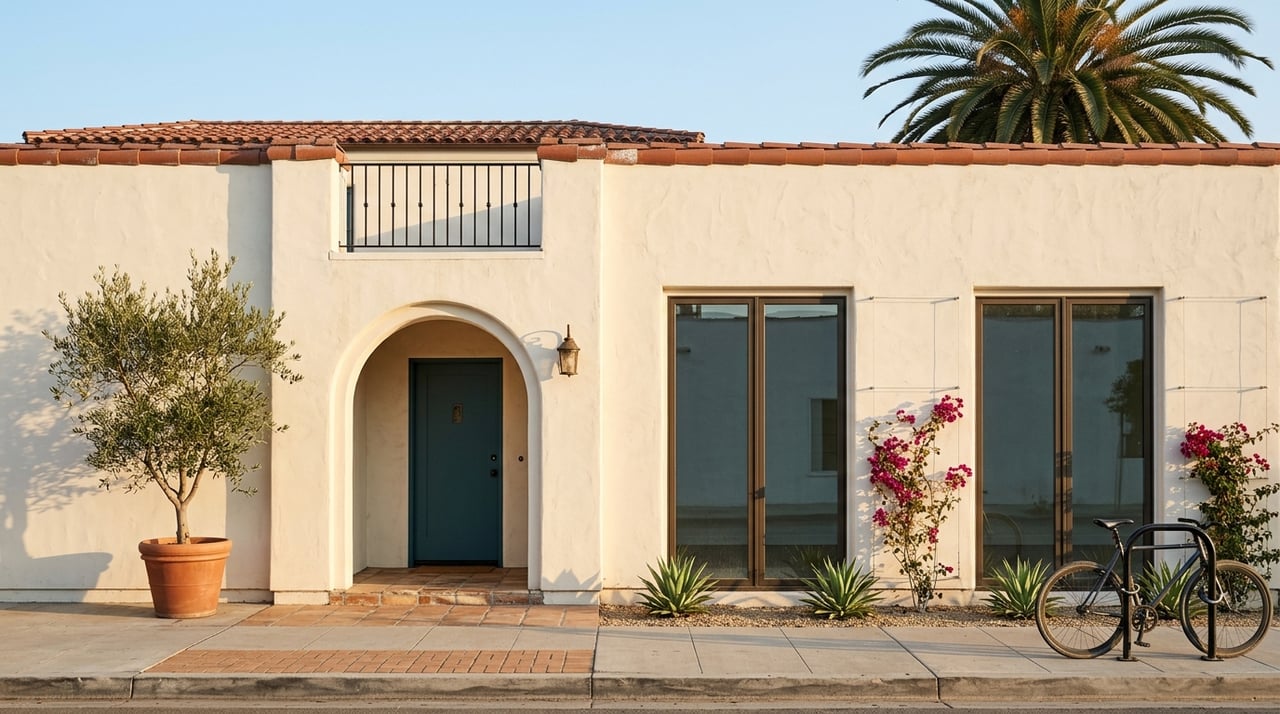
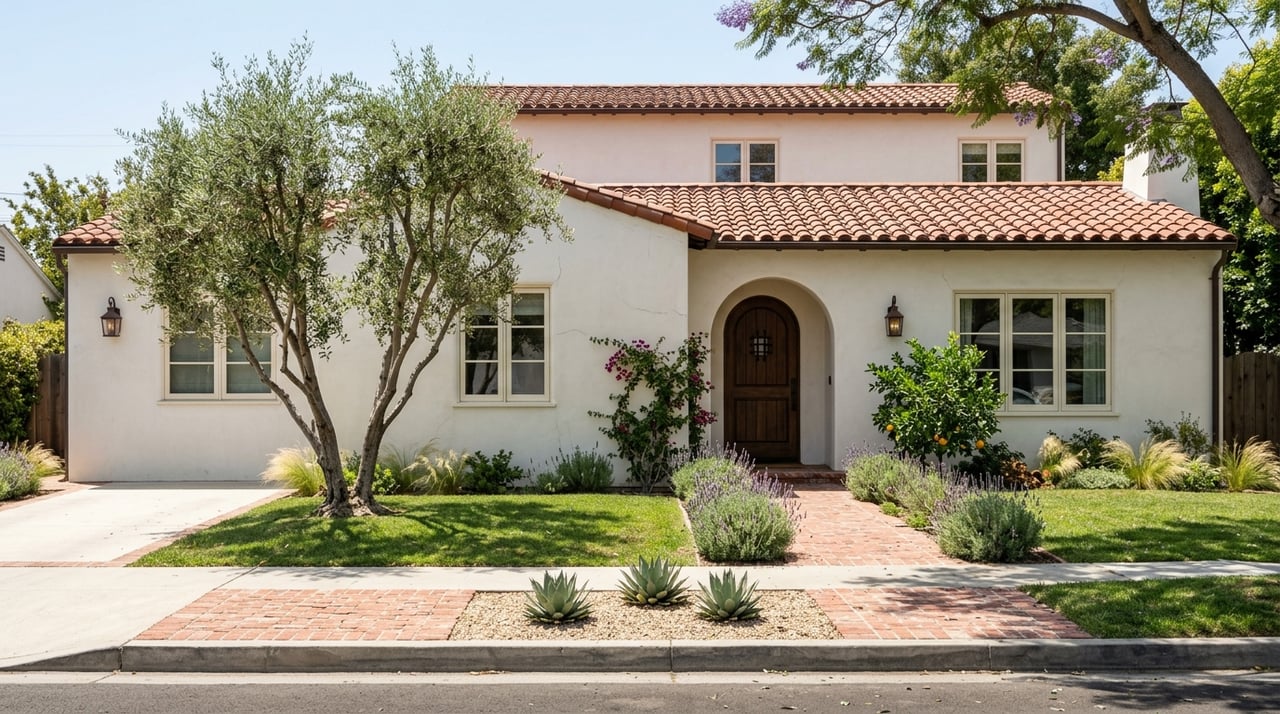
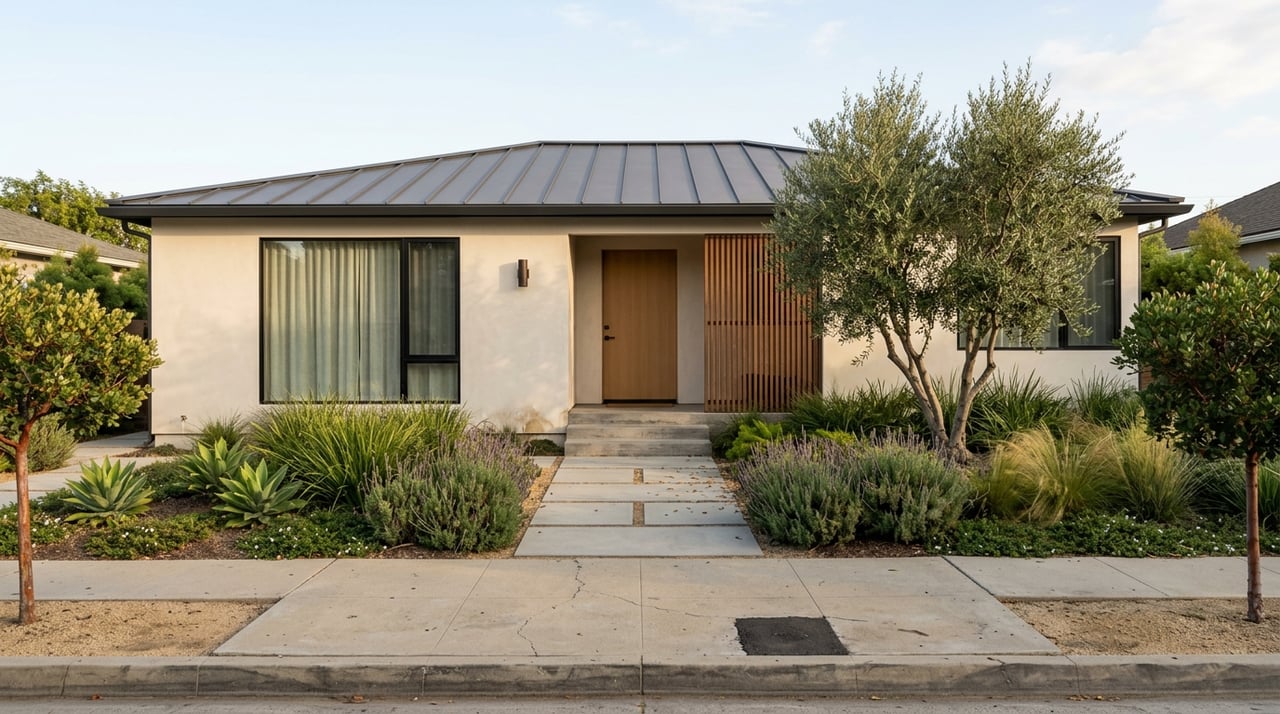
From the street, Westwood may seem familiar, but a closer look shows a wide range of architectural influences. Traditional Spanish and Mediterranean styles — echoing the Village's own 1929 Janss Investment Company-planned Mediterranean design — sit near mid-century designs, contemporary updates, and more recent infill projects. Many buildings have details that reflect the era in which they were built, such as original hardwood floors, built-in storage, or larger windows and open layouts. Some homes have been carefully updated while keeping their original character; others have been fully modernized. For buyers, this variety creates choice. For sellers, it emphasizes the importance of presenting a clear narrative about how a home functions today.
Not sure how a specific Westwood block trades relative to the rest of the neighborhood? That's exactly the kind of block-level detail our agents track.
Contact Heyler Realty →
5. Everyday Convenience Is a Quiet Advantage
One of the most practical benefits of Westwood is how easy it can be to manage daily routines. Grocery stores, pharmacies, and services are often within a short drive, and in many cases within walking distance. UCLA adds access to cultural events, medical facilities, and continuing education opportunities. Public transit options and rideshare access provide alternatives to driving, which can be important in Los Angeles. These elements may not feel like traditional "fun facts about Westwood," but they have very real value when someone is deciding where to purchase or lease a property.
6. A Strong Connection to the Wider Westside
Westwood sits in a position that makes it relatively straightforward to reach other Westside neighborhoods. Brentwood, Century City,
Beverly Hills, and
Santa Monica are all within a typical commute. This matters both for lifestyle and for long-term value. Many residents work in nearby business districts or the entertainment industry, and appreciate having a home base that keeps multiple employment centers accessible. At the same time, Westwood's own identity remains clear, supported by the presence of UCLA and its historic Village core.
7. Rhythm Across the Week and the Year
Life in Westwood can feel different depending on the time of year. During the academic year, the area near campus and the Village is busy with students, campus activities, and visitors. Summers and academic breaks often feel more relaxed. Weekdays carry a different pace than weekends, affecting everything from parking demand to restaurant wait times and neighborhood noise levels. Buyers who visit only once may not see the full range of activity. Spending time in the area at various times of day and during different seasons can provide a more accurate picture of what it might be like to live there.
8. Investment Appeal Beyond the Surface
Because UCLA is a major anchor, Westwood often appeals to both investors and owner-occupants. The steady presence of students and university staff can support ongoing rental interest, particularly in buildings located near campus or along key transit routes. At the same time, there is a strong demand for ownership opportunities, particularly in quieter residential pockets. Understanding local regulations, building policies, and association rules is important, especially for those considering condominiums or multi-unit properties. An informed approach can help distinguish between short-term appeal and long-term strength.
9. Why These Details Matter for Real Estate Decisions
On the map, Westwood may appear to be a single neighborhood, but the experience can vary significantly from block to block and building to building. Small differences in location, building type, and surrounding activity can influence lifestyle, maintenance needs, and resale potential. The right home in Westwood is not only about price and size. It is also about how the property fits with daily routines, future plans, and expectations for growth. For both buyers and sellers, paying attention to these less obvious aspects of the neighborhood can make each decision more strategic.
Frequently Asked Questions
Is Westwood a good neighborhood for non-students?
Yes — while UCLA drives steady rental demand, Westwood also has long-established residential streets with longtime homeowners, single-family homes, and a quieter pace away from the Village core.
What is the historic movie theater in Westwood Village called now?
The landmark 1931 theater building, a Los Angeles Historic-Cultural Monument, reopened in 2026 as Directors Village under American Cinematheque. The Bruin Theatre across the street remains closed and under renovation.
What museums are near UCLA and Westwood Village?
The Hammer Museum and the Fowler Museum are both UCLA-affiliated and offer free admission, within easy reach of the Village.
What types of housing are available in Westwood?
Westwood offers single-family homes on tree-lined streets, mid-century apartment buildings, newer condominiums, and mixed-use properties with residential units above retail, all within a relatively compact footprint.
Local Insight for Smart Choices in Westwood
Choosing a home or investment in Westwood involves more than simply choosing a floor plan or a street. It is helpful to work with a team that understands how the neighborhood's mix of residential blocks, campus life, and commercial activity influences real estate decisions. Heyler Realty — a Westside brokerage since 1927 — brings that local perspective, helping clients compare properties, assess value, and plan next steps with the specifics of Westwood in mind.
For anyone considering buying, selling, or investing in this part of Los Angeles, partner with Heyler Realty today.
Related Reading
Sources: [1] Wikipedia, "Fox Theater, Westwood Village" and "Bruin Theater" (Los Angeles Historic-Cultural Monuments #362 and #361); Historic Theatre Photos, "Directors Village Theatre, Westwood" (June 2026 rebrand); CicLAvia, "Local Gems: West LA" (2026, on Bruin's ongoing closure/renovation status). — [2] UCLA Luskin Conference Center, "UCLA's Neighborhoods: Things to See in Westwood Village" (Hammer Museum, Fowler Museum, free admission). — [3] UCLA Bruins, "UCLA Traditions - Westwood Village" (1929 Janss Investment Company Mediterranean-style Village development).