By Heyler Realty
If you own a beautiful home in Cheviot Hills, Rancho Park, Westwood, Mar Vista, Beverlywood, or Brentwood’s surrounding streets, you already know that your property carries a particular kind of weight. These are neighborhoods where Spanish Colonials from the 1920s sit beside English Tudors and Streamline Moderne bungalows, where the original casement windows still function, and where the original owners' design decisions continue to shape how light moves through a room every single morning. Decorating a historic home on the Westside of Los Angeles means working with that history instead of against it.
That tension is what makes it intriguing. The Westside has always attracted buyers who appreciate the artistry and detail of an older era but live very contemporary lives. The challenge lies not in preservation in the museum sense; it is, rather, integration.
After all, how do you bring a home built in 1928 into your present life without stripping it of the qualities that made you want to live there in the first place?
The good news is that many of the most thoughtful interior choices for historic homes are also among the most livable and comfortable. Working with original details, sourcing period-appropriate materials and finishes, and understanding your home's architectural DNA does not mean compromising on modern functionality. It means making choices that feel earned.
Key Takeaways
- Understanding your home's architectural style is the foundation of every standout decorating decision.
- Westside’s historic homes often retain original details worth restoring rather than replacing entirely.
- Material choices in flooring, hardware, and textiles signal whether a renovation reads as authentic or generic.
- Layering periods is an accepted approach, but it requires a through-line of restraint.
- Lighting strategy is often underestimated in historic interiors and can make or break a space.
Know What You Have Before You Update
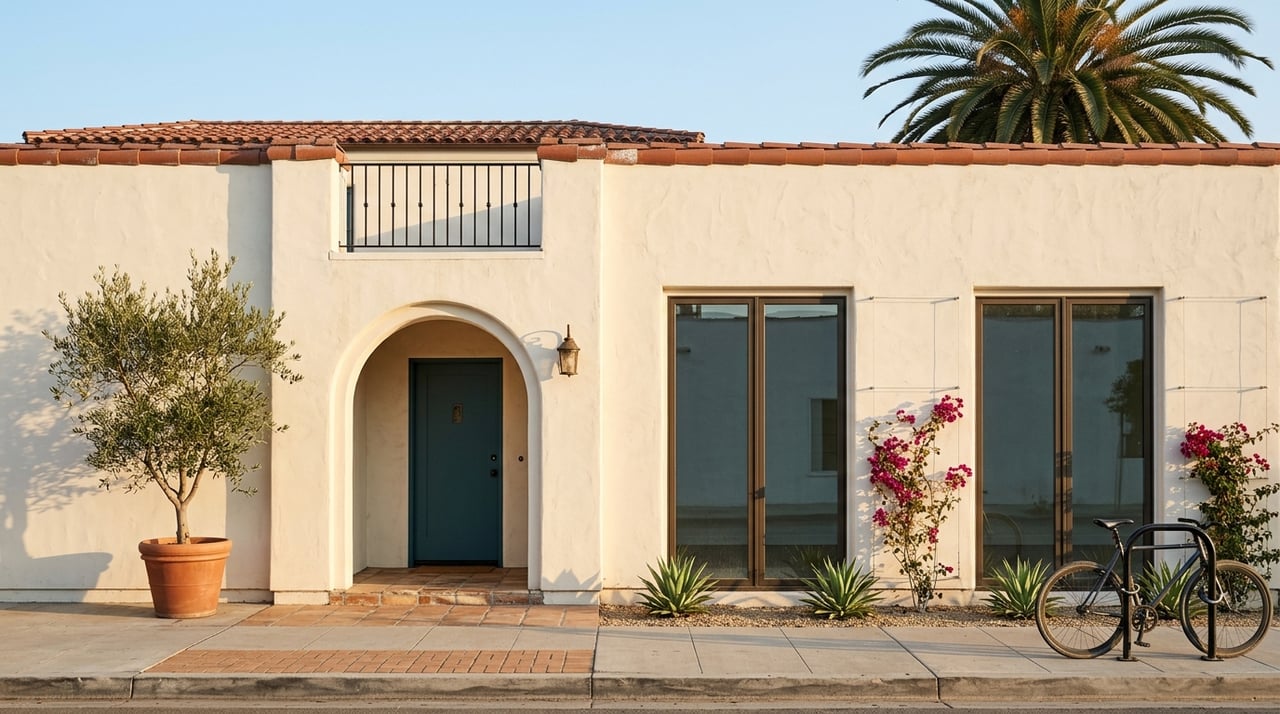
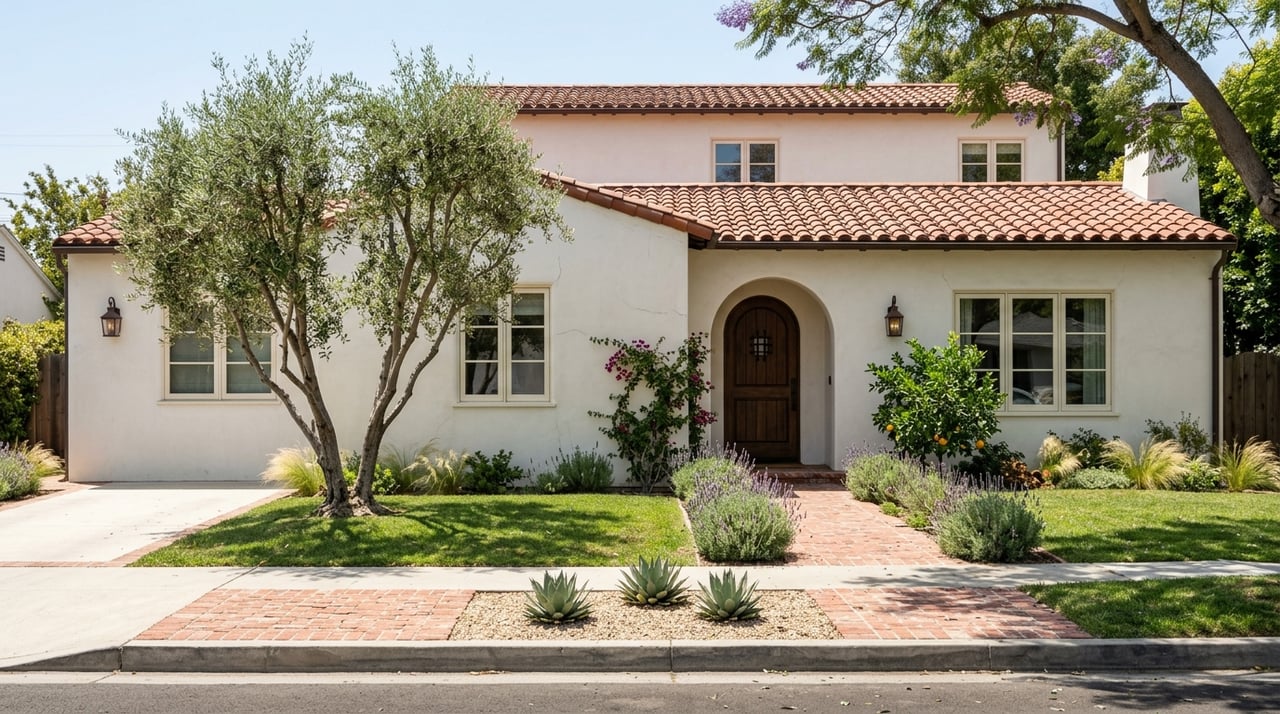
The first and most important step in decorating a historic Westside home is slowing down long enough to understand its architectural language. A Spanish Colonial Revival has a completely different vocabulary than a Monterey Colonial two streets over, even if both were built in the same decade. One calls for plaster walls, wrought iron, and handmade tile, whereas the other is asking for board-and-batten shutters, a balcony railing in painted wood, and a restrained color palette borrowed from early California ranch life.
Cheviot Hills, in particular, has a dense concentration of homes from the 1930s and 1940s, with strong English Tudor and Colonial Revival representation. These homes were built for a specific version of Los Angeles that was quieter, greener, and more self-consciously tied to European precedent. The decorating choices that work best here lean into that context: formal without being stiff and layered without being cluttered.
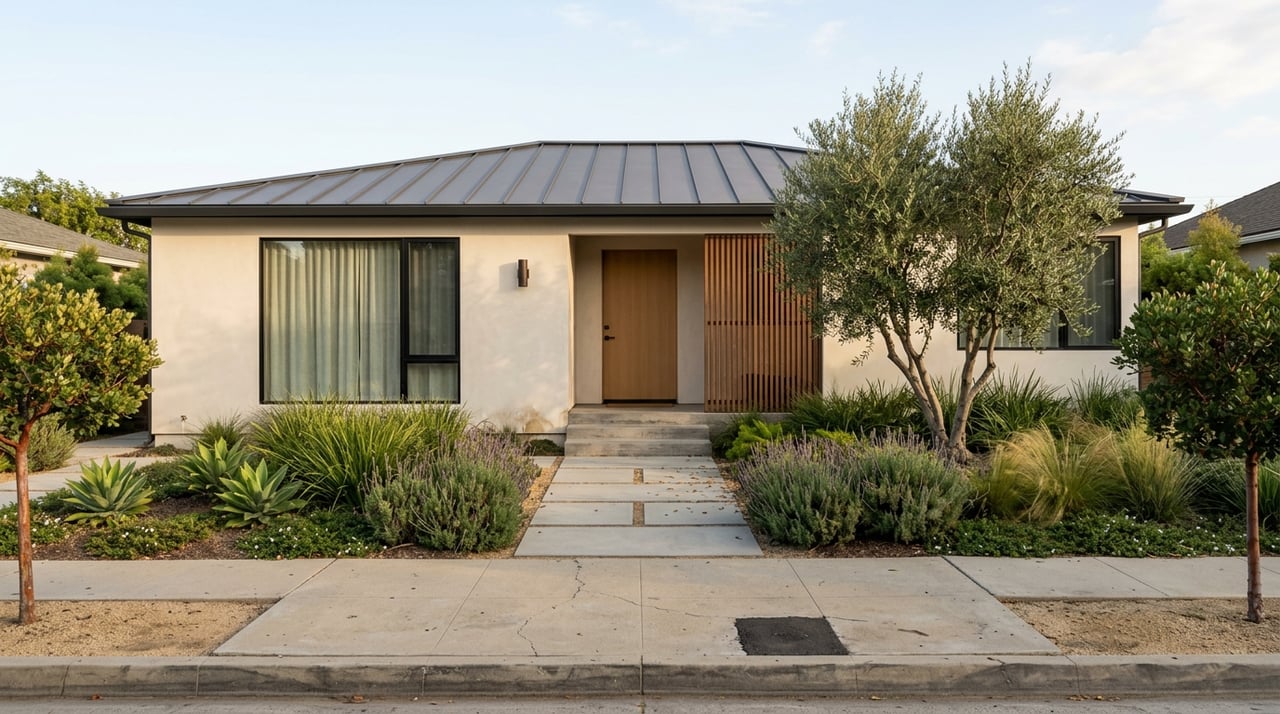
Rancho Park and the western edges of Westwood carry more Ranch-style and Mid-Century Modern homes, where the architecture itself does the heavy lifting. Here, the decorating instinct should be toward restraint; the structure is the statement, and overloading these rooms with furniture or accessories often works against the original intentions.
Cheviot Hills, in particular, has a dense concentration of homes from the 1930s and 1940s, with strong English Tudor and Colonial Revival representation. These homes were built for a specific version of Los Angeles that was quieter, greener, and more self-consciously tied to European precedent. The decorating choices that work best here lean into that context: formal without being stiff and layered without being cluttered.
Rancho Park and the western edges of Westwood carry more Ranch-style and Mid-Century Modern homes, where the architecture itself does the heavy lifting. Here, the decorating instinct should be toward restraint; the structure is the statement, and overloading these rooms with furniture or accessories often works against the original intentions.
What To Assess Before Redecorating
- Original flooring, particularly hardwood, Saltillo tile, or Malibu tile, can often be restored to a better condition than any replacement.
- Plaster walls and ceilings have a warmth and acoustic quality that drywall cannot replicate, and many homeowners regret covering or removing them.
- Built-ins, cabinetry, and millwork are often of a quality and detail that would be prohibitively expensive to recreate today.
- Original hardware on doors, windows, and cabinets frequently just needs cleaning or refinishing rather than replacement.
- Window and door proportions set the rhythm of a room and should inform furniture scale and placement.
How to Layer Periods Without Losing Coherence
One of the most persistent misconceptions about decorating a historic home is that everything must match the era. That approach produces spaces that feel like set dressing rather than lived-in homes. The better strategy is selective layering: keeping the bones of the period intact while introducing contemporary furnishings that respect the scale and proportion of the original architecture.
For instance, in Craftsman bungalows and Spanish Colonials, the most successful interiors tend to hold the original architectural details as fixed points and treat everything else as movable. A Craftsman living room with its original box-beam ceiling, brick hearth, and built-in bookshelves can absorb a contemporary sofa without difficulty, provided the sofa's scale is appropriate and that its upholstery does not clash with the warm woodwork.
The through-line that keeps layered periods from feeling chaotic is usually material and color. If you are working with original dark walnut millwork, for example, your contemporary pieces should either echo that warmth in their upholstery or provide a clean contrast in linen or stone.
For instance, in Craftsman bungalows and Spanish Colonials, the most successful interiors tend to hold the original architectural details as fixed points and treat everything else as movable. A Craftsman living room with its original box-beam ceiling, brick hearth, and built-in bookshelves can absorb a contemporary sofa without difficulty, provided the sofa's scale is appropriate and that its upholstery does not clash with the warm woodwork.
The through-line that keeps layered periods from feeling chaotic is usually material and color. If you are working with original dark walnut millwork, for example, your contemporary pieces should either echo that warmth in their upholstery or provide a clean contrast in linen or stone.
Approaches That Merge Well
- Pairing period architectural details with modern furniture at the appropriate scale rather than period reproduction pieces, which often feel stiff and underscaled.
- Using textiles to mediate between eras.
- Keeping walls relatively neutral to let original millwork and architectural detail read clearly and then introducing color through upholstery, art, and objects.
- Resisting the impulse to add too many layers; historic homes with strong original detail often need less furniture, not more.
Lighting as Architecture
In a historic home on the Westside, the ceiling heights, window proportions, and original wall finishes all interact with light in ways that newer construction might not. Getting the lighting strategy right can make a well-decorated room feel complete. Getting it wrong can make an otherwise careful space fall flat.
Many historic Westside homes boast primary rooms with ceiling heights between nine and eleven feet, which means that most contemporary lighting fixtures designed for standard eight-foot ceilings will feel proportionally off. Scale is everything in historic interiors, and this applies to chandeliers, sconces, and pendants as much as it does to furniture.
Recessed lighting is a common solution in renovated historic homes and rarely looks as neutral as homeowners expect. In a plaster ceiling with original crown molding, a field of recessed cans introduces visual noise that distracts from the architecture. Perimeter lighting leveraging sconces, table lamps, and torchieres tends to feel more appropriate in these rooms and tends to produce warmer, more atmospheric results.
Many historic Westside homes boast primary rooms with ceiling heights between nine and eleven feet, which means that most contemporary lighting fixtures designed for standard eight-foot ceilings will feel proportionally off. Scale is everything in historic interiors, and this applies to chandeliers, sconces, and pendants as much as it does to furniture.
Recessed lighting is a common solution in renovated historic homes and rarely looks as neutral as homeowners expect. In a plaster ceiling with original crown molding, a field of recessed cans introduces visual noise that distracts from the architecture. Perimeter lighting leveraging sconces, table lamps, and torchieres tends to feel more appropriate in these rooms and tends to produce warmer, more atmospheric results.
Lighting Principles for Historic Interiors
- Treating chandeliers and pendants as architectural elements that need to work with ceiling height, room volume, and existing details.
- Layering ambient, task, and accent lighting rather than relying on a single overhead source, which flattens the texture of historic plaster and millwork.
- Using warmer color temperatures (2700K or lower) throughout, which are more sympathetic to the natural materials and wood tones found in older residences.
- Considering picture lights, cabinet lighting, and uplighting for bookcases as tools that activate the architectural detail of a historic room.
- Sourcing period-appropriate or period-sympathetic fixtures through lighting specialists who understand the visual language of the home's era.
FAQs
Can I Update the Kitchen and Bathrooms Without Compromising a Historic Home's Character?
Yes, with intention. The key is treating the kitchen and bathrooms as contemporary insertions that respect the palette and material logic of the rest of the house rather than spaces where a different design language suddenly applies. Cabinet profiles, hardware, tile choices, and fixture finishes should all be legible within the context of the home's original style. A kitchen that reads as completely separate from the rest of the house can feel disorienting, even if each room is well-designed on its own terms.
How Do I Know Which Original Details Are Worth Saving Versus Replacing?
As a general rule, anything that was made by hand, installed with a high degree of skill, or uses materials that are no longer in common production is worth preserving whenever possible. This includes original plaster, hardwood floors, built-in cabinetry, period hardware, original tile, and wood windows. Mechanical and infrastructural systems (electrical, plumbing, and HVAC) are appropriate candidates for updating; the visible surfaces that define the character of the home typically are not.
What Are the Most Common Decorating Mistakes in Historic Westside Homes?
The most common misstep is scaling furniture incorrectly, either by using pieces that are too small for the room's volume or by crowding a room that the architecture intended to feel spacious. Another potential mishap involves replacing original materials with contemporary substitutes that save money in the short term but read as visually inconsistent.
The Homes That Hold Their Value Have a Clear Point of View
There is something particular about the way the most compelling historic homes on the Westside feel: considered without being precious, comfortable without being casual, and personal without being self-conscious. That quality does not arrive fully formed the moment you move in. It develops over time, through choices that accumulate into something coherent.
If you are thinking about buying a historic home on the Westside of Los Angeles, or if you own one and are weighing a renovation before listing, our team at Heyler Realty can help you think through the process and connect you with the right resources for your needs. Reach out to us directly, and we can start with what you already have.
If you are thinking about buying a historic home on the Westside of Los Angeles, or if you own one and are weighing a renovation before listing, our team at Heyler Realty can help you think through the process and connect you with the right resources for your needs. Reach out to us directly, and we can start with what you already have.